
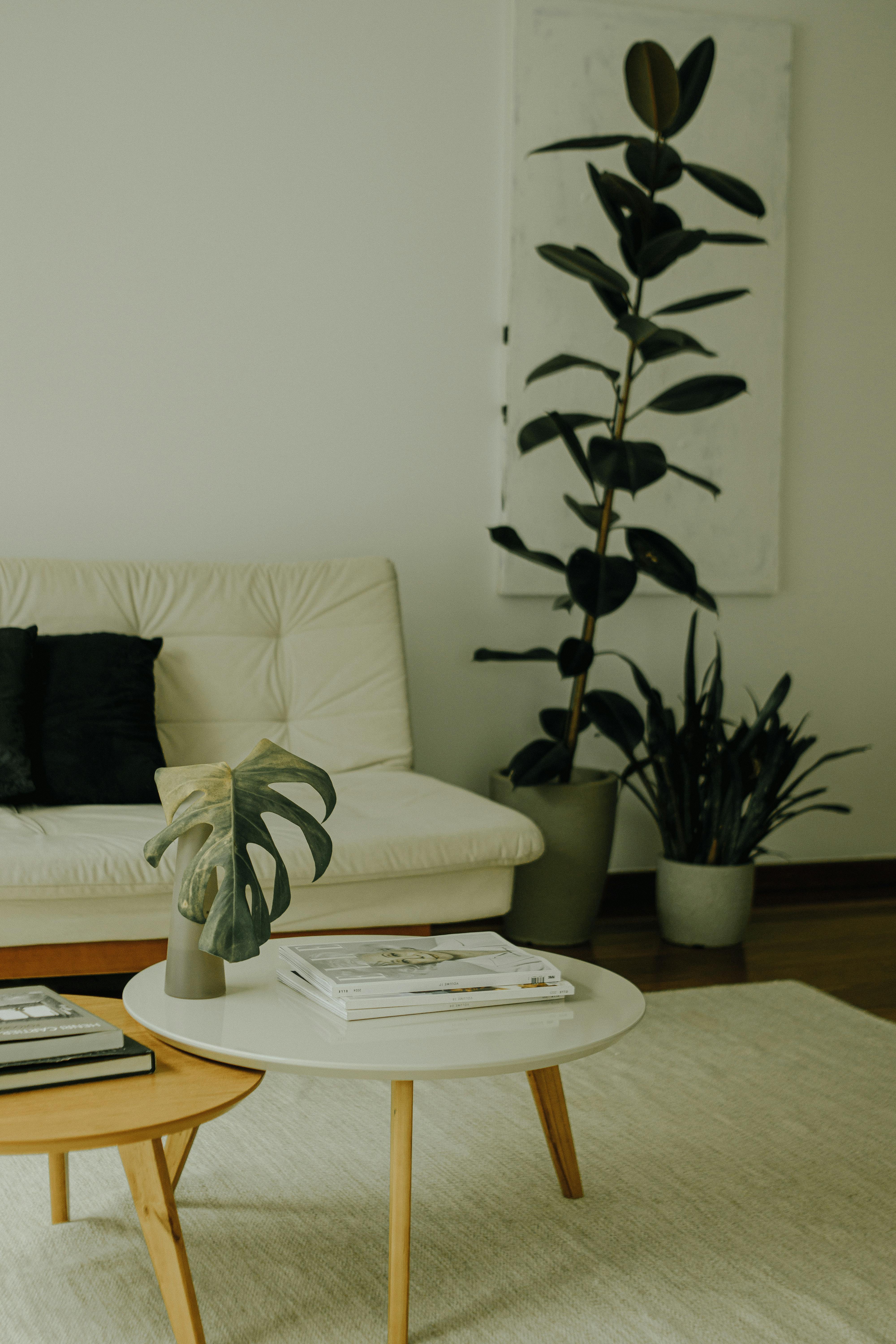
Calm begins with fewer visual decisions
A room often feels tiring not because it is badly decorated, but because too many objects compete for attention. Choose one visible surface—a kitchen counter, coffee table, dresser, or bathroom vanity—and remove everything that does not need to live there.
Create one clear landing zone
Keys, sunglasses, receipts, mail, and chargers become visual noise when they migrate around the house. Pick one small place near the entrance and make it the official landing zone. A single tray or existing bowl is enough.
Reduce open storage
Open shelves can be beautiful, but they ask your brain to process every object on display. Move rarely used items behind doors or into drawers. Leave breathing room between the objects you do keep visible.
Use light before decoration
During the day, open curtains fully and clear anything that blocks the window. In the evening, rely more on lamps than a single bright ceiling fixture. Different light levels change the emotional tone of a room more than many decorative purchases.
Give each room one quiet corner
You do not need a meditation room. A chair by a window, an uncluttered nightstand, or a clean end of the sofa can become a visual pause. The point is to have at least one place where your eyes are not met by unfinished tasks.
Finish one small loop
A half-unpacked bag, pile of clean laundry, or stack of papers quietly reminds you that something is incomplete. Choose one of these loops and finish it. The sense of calm often comes from completion, not decoration.
Let the room look lived in
Mindful living is not minimalism as a performance. A calm home can have books, toys, plants, family photos, and evidence of ordinary life. The goal is not emptiness. It is making it easier to see what matters and easier to reset the space when life gets busy.